
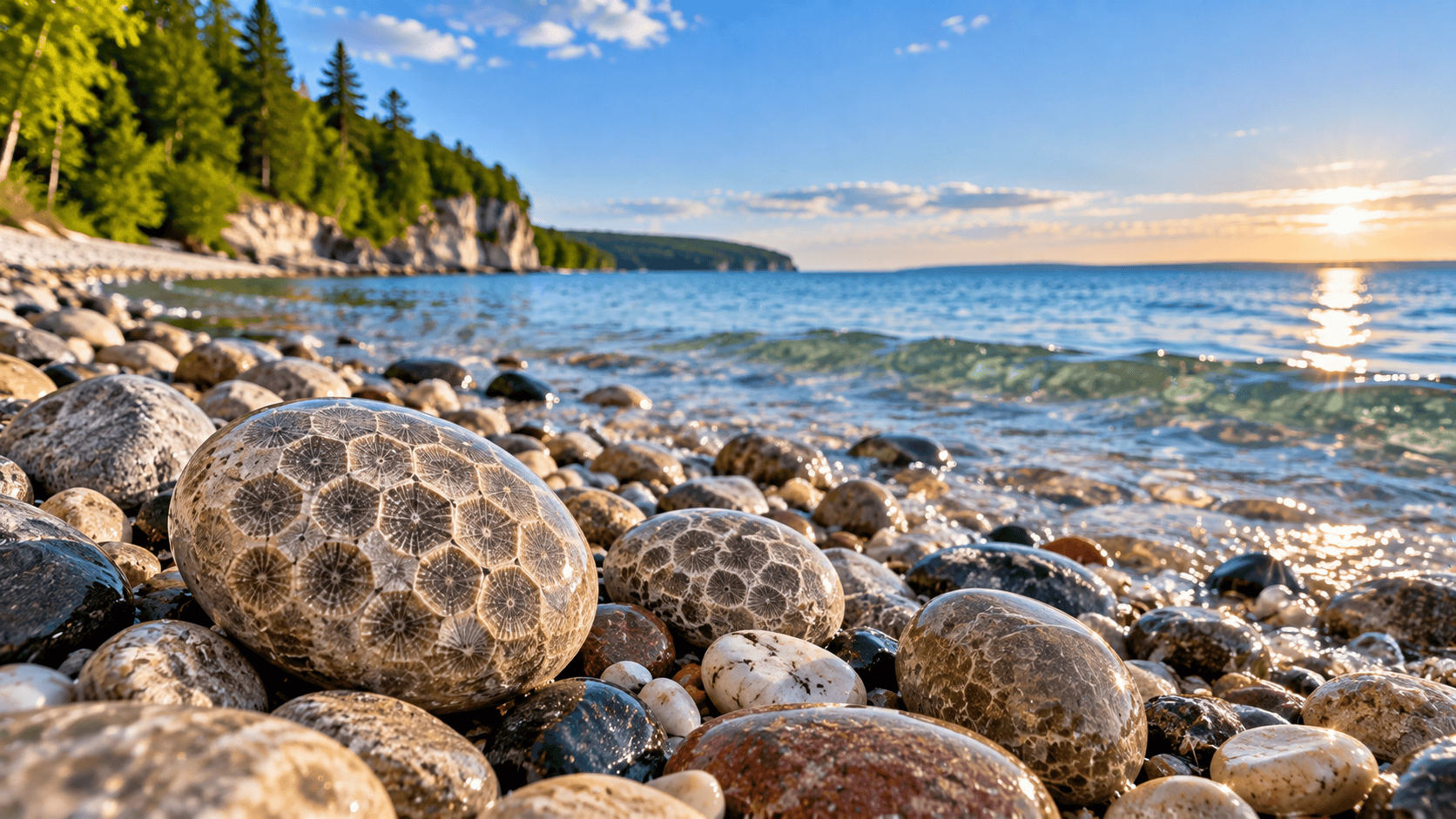
Imagine walking the sun-drenched shorelines of Charlevoix as the gentle rhythm of Lake Michigan laps at your feet, your eyes searching for a glimpse of a 350-million-year-old masterpiece. For many, the search for a petoskey stone is more than a casual hobby; it's a quiet, sophisticated ritual that connects us to the ancient soul of Northern Michigan. You've likely felt that familiar mix of excitement and uncertainty, wondering if the patterned rock in your hand is the true prize or merely its cousin, the Charlevoix stone. It's frustrating to spend an afternoon on the coast only to return without a clear understanding of what you've found or how to showcase it properly within a curated home.
You've come to the right place to refine your coastal expertise and elevate your hunting experience. This guide provides the clarity you need to distinguish genuine fossils from common stones and identifies the most fruitful locations across the shores of Emmett and Charlevoix Counties, encompassing coastal towns like Petoskey, Charlevoix, and Harbor Springs. We'll explore the fascinating Devonian history of these corals and share professional methods for polishing your finds into gallery-quality accents. From understanding the 25-pound annual collection limit on state lands to integrating these treasures into your lakeside lifestyle, you're about to become a true steward of Michigan's most coveted coastal heritage.
Key Takeaways
- Learn how 350-million-year-old fossilized Rugosa coral became the iconic Petoskey stone, shaping the ancient geological narrative of Northern Michigan.
- Discover the most productive public beach locations in Charlevoix and Emmett counties where the spring ice break-up reveals fresh treasures each year.
- Master the meditative art of hand-polishing your finds to achieve a gallery-quality finish suitable for high-end interior display.
- Explore sophisticated ways to integrate these fossils into luxury home design, from striking statement specimens to custom architectural tiles.
- Understand how the pursuit of natural rarities defines the prestige and enduring value of waterfront property throughout the tri-county region.
Table of Contents
- The Origins and Allure of Michigan’s State Rock
- Where to Find Petoskey Stones: A Local’s Map to the Best Beaches
- Beyond the Beach: The Art of Polishing and Preserving Your Finds
- Integrating the Petoskey Aesthetic into Luxury Home Design
- Finding Your Place on the Shore: Real Estate in the Heart of Stone Country
The Origins and Allure of Michigan’s State Rock
The rugged beauty of Northern Michigan is defined by its deep blue waters and the treasures hidden within the rocky shoals of Charlevoix and Emmett counties. At the heart of this coastal allure is the Petoskey stone, a fossilized marvel that serves as a tangible link to a world that existed 350 million years ago. During the Devonian period, this region wasn't the temperate forest we know; it was a warm, shallow saltwater sea teeming with life. The stones we prize today were once living reefs, thriving in a tropical environment that predates the dinosaurs by millions of years.
These stones are the fossilized remains of Rugosa coral, specifically the species Hexagonaria percarinata. In 1965, Michigan officially designated this fossil as the state rock, cementing its status as a cultural icon that carries significant local weight. It's more than just a souvenir. It represents the enduring prestige and natural history of the region. If you're curious about the technical classification and the history of its discovery, exploring What is a Petoskey Stone? reveals the intricate biological structures that allowed these ancient reefs to thrive in the ancient Michigan basin.
The Fossilized Coral Mystery
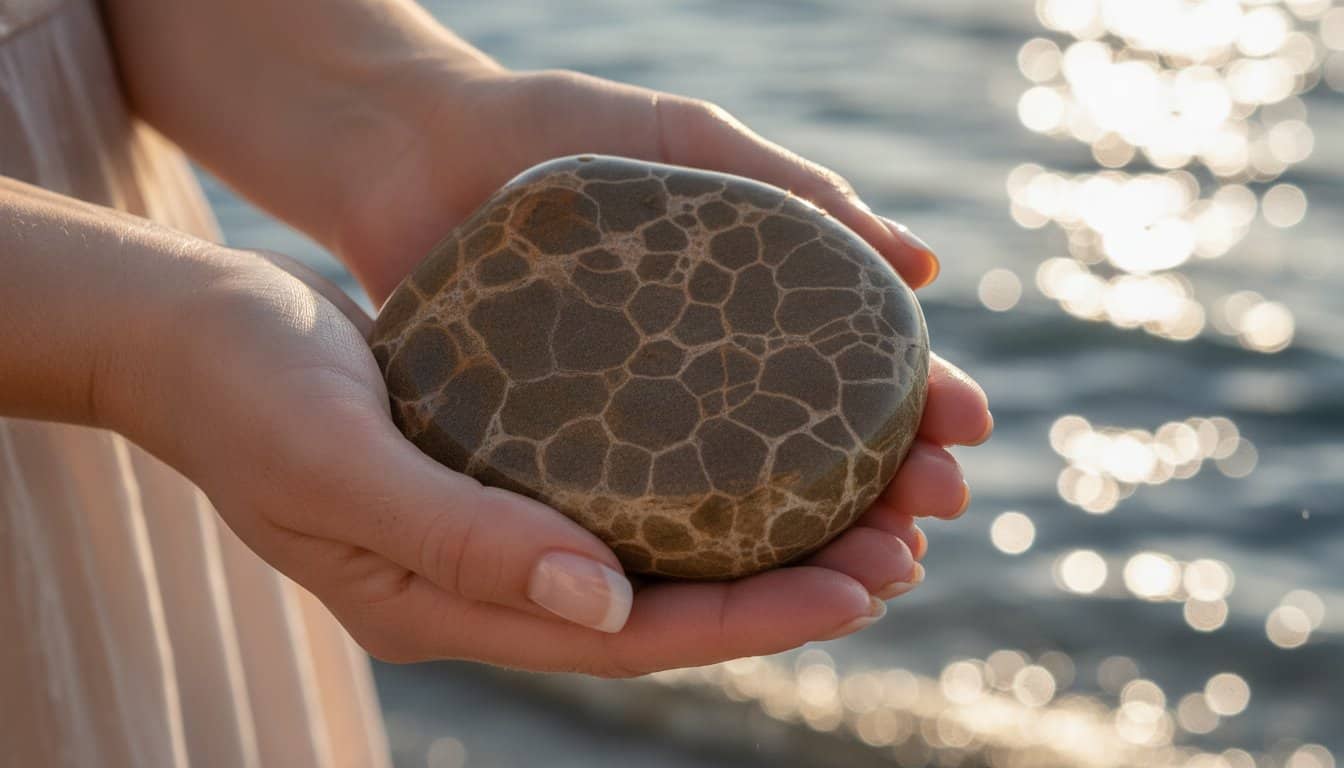
The journey from ancient reef to modern beach find is a story of immense geological force. As the Earth's plates shifted and the seas receded, these coral structures were buried and fossilized under layers of sediment. Much later, massive glaciers carved through the landscape of the Lower Peninsula, plucking the fossils from their bedrock and depositing them along the shorelines of Grand Traverse and Charlevoix. One of the stone's most enchanting qualities is its subtle nature. When dry, it often looks like an ordinary gray rock. It's only when the surface is wet or polished that the intricate, six-sided pattern reveals itself, much like the hidden potential found in premium waterfront lifestyle homes for sale along these same storied coasts.
Petoskey vs Charlevoix Stones
Discerning collectors often find themselves distinguishing between the Petoskey and its close relative, the Charlevoix stone. While both are fossilized corals, they possess distinct aesthetic signatures that define their value and rarity:
- Petoskey stones feature larger, well-defined hexagonal cells with distinct radiating lines known as septa.
- Charlevoix stones, or Favosites, have a much smaller, honeycomb-like structure that lacks the central eye characteristic of the Petoskey.
- The Petoskey is generally considered the more prestigious find due to its specific Devonian lineage and the striking clarity of its pattern.
Finding a large, intact specimen is a rare event that mirrors the exclusivity of the local market. Whether you're scanning the water's edge in Petoskey or the quiet coves of Charlevoix, recognizing these differences is the first step toward building a sophisticated collection that reflects the true character of Northern Michigan.
Where to Find Petoskey Stones: A Local’s Map to the Best Beaches
Finding a petoskey stone is a cherished pastime for those who reside in the exclusive enclaves of Charlevoix and Emmett counties. While many visitors scan the sand, true local experts know that the most impressive specimens are often found along the rocky shorelines of Lake Michigan's Little Traverse Bay. Understanding The Geology of the Petoskey Stone helps hunters realize that these fossils aren't just lying on the surface; they're continuously churned up from the lakebed by the powerful forces of nature. It's a dynamic process that rewards patience and a keen eye for detail.
Before you begin your search, it's essential to understand the stewardship required to preserve these coastal treasures. Michigan state law permits individuals to collect up to 25 pounds of stones and minerals per person, per year, on state-owned lands. However, many of the most pristine stretches of beach in Northern Michigan are private property. Respecting these boundaries is a hallmark of the local lifestyle, ensuring that the quiet prestige of our waterfront communities remains intact. Always ensure you are on public land or have explicit permission before wandering beyond the high water mark.
Public Access Points in Emmett County
Petoskey State Park remains a primary destination for many, offering expansive shorelines that are particularly productive after the winter ice recedes. For a more secluded experience, Magnus Park provides a rugged alternative within the city limits that often yields larger specimens. Those who appreciate the scenic drive along the Tunnel of Trees can find smaller, less frequented access points near Harbor Springs. These quiet coves often yield high-quality stones for those willing to navigate the larger cobble fields. If you find yourself drawn to these specific shorelines, you might consider exploring waterfront lifestyle homes for sale to make the beach your own permanent sanctuary.
The Best Times of Year for Hunting
Timing is everything in the pursuit of the perfect fossil. Early spring is widely regarded as the premier season because the annual ice breakup acts as a natural plow, pushing new deposits from the deeper waters onto the shore. As the ice melts, it leaves behind a fresh layer of unsearched stones. Similarly, the powerful autumn storms that sweep across Lake Michigan churn the lakebed, revealing hidden treasures just as the summer crowds begin to thin. For a daily advantage, visit the beach immediately after a heavy rainfall. The moisture darkens the stones and clarifies the hexagonal patterns, making a petoskey stone stand out vividly against the duller limestone and basalt.
Beyond the Beach: The Art of Polishing and Preserving Your Finds
Once you've secured your collection from the shores of Charlevoix or Emmett County, the real transformation begins. Polishing a petoskey stone is a meditative practice that mirrors the patience required for high-end property curation. While raw stones have a rustic charm, a polished surface reveals the intricate, prehistoric detail that makes these fossils so coveted. Identifying which stones possess the most potential is an art in itself. Expert collectors often carry a small spray bottle of water; a quick misting reveals whether the hexagonal pattern is tight and complete or if the fossil has been worn too thin by the waves.
Many beginners wonder if a mechanical rock tumbler is the best path. While efficient for large quantities, a tumbler can often blur the fine radiating lines of the Hexagonaria coral. Hand polishing is the preferred method for those who appreciate the finer details of life. It allows you to maintain the unique shape of the stone while achieving a glass-like finish that highlights the fossil's natural contrast. This hands-on approach ensures that each specimen retains its individual character, much like the bespoke details of a custom waterfront residence.
Hand Polishing Techniques for Beginners
The process of refining a petoskey stone requires minimal equipment but significant focus. You'll need a basin of water and sheets of wet/dry sandpaper in various grits, typically ranging from 220 to 600. For approximately $22, you can even find specialized kits that include everything necessary to start your first project. This modest investment can transform a rough find into a treasure valued between $12 and $50 depending on its size and pattern clarity.
- Begin with the 220 grit paper, using firm, circular motions to remove the outer layer of limestone.
- Transition to 400 grit once the surface is smooth and free of deep pits or scratches.
- Finish with 600 grit and a soft cloth to bring out the deep, translucent glow of the fossil.
A common mistake is rushing through the lower grits. If the initial sanding isn't thorough, the final polish will reveal unsightly scratches that dull the stone's prestige. Constant immersion in water is key; it keeps the dust down and allows you to see the pattern's progress in real time.
Professional Finishing for Decor
For truly exceptional specimens found on your own waterfront property, you might consider professional lapidary services. Large, statement-sized stones often require specialized equipment to level and polish flat surfaces for display. Once polished, maintaining the vivid pattern is essential. Some collectors use a light coat of mineral oil or a high-quality carnauba wax to seal the stone, preventing it from returning to a chalky gray appearance over time. These finished pieces serve as sophisticated accents in a luxury lifestyle home, acting as natural sculptures that celebrate the unique geological heritage of Northern Michigan. Whether mounted in a custom jewelry setting or displayed on a library mantle, a well-preserved stone is a testament to the region's timeless elegance.
Integrating the Petoskey Aesthetic into Luxury Home Design
For the discerning homeowner in Petoskey or Harbor Springs, the Petoskey stone is more than a fossil; it's a sophisticated design element that anchors a residence to the ancient narrative of the Great Lakes. While many view these treasures as simple beach finds, luxury designers are increasingly utilizing them as high-end architectural accents. Large, museum-quality specimens serve as striking organic sculptures when placed on a library desk or a minimalist mantle. They anchor the room. In custom builds across Emmett and Grand Traverse counties, these fossils are being integrated directly into fireplace surrounds, where their muted greys and intricate patterns provide a subtle, textured contrast to modern materials like cold-rolled steel or floor-to-ceiling glass.
The rise of fossilized stone tiles in luxury kitchen and bath design reflects a growing desire for materials that are both exclusive and deeply local. Using the stone's natural palette of soft tans and charcoals allows designers to create spaces that feel like an extension of the Michigan shoreline. This aesthetic isn't about kitschy souvenirs; it's about a curated elegance that celebrates the raw, unrefined beauty of our specific geography. If you're ready to find a property that reflects this refined coastal aesthetic, explore our luxury lifestyle homes for sale in Northern Michigan.
Custom Architectural Accents
Commissioning bespoke mosaic work using the Petoskey stone creates a unique focal point in entryways or master suites. Beyond the interior, integrating these fossils into dry-stacked stone walls or outdoor living spaces creates a seamless transition between the home and the rugged beauty of the coast. This practice taps into the psychological appeal of biophilic design, grounding the inhabitant in their environment. It makes the structure feel as though it grew from the very bedrock of Charlevoix.
Curating a Coastal Collection
For those who prefer a more minimalist approach, displaying a curated selection of stones in heavy, hand-blown glass vessels offers a clean, contemporary look. Shelf styling benefits from the organic texture of polished stones placed atop linen-bound books or alongside fine art. These small details act as quiet reminders of the landscape, ensuring a home feels like an essential emotional haven. When properly displayed, a collection of these stones doesn't just fill a space; it tells a story of 350 million years of history, connecting the modern homeowner to the timeless rhythm of the lake.
Finding Your Place on the Shore: Real Estate in the Heart of Stone Country
The search for a Petoskey stone is a ritual that often leads to a life-changing realization: the only thing better than finding a fossil on a public beach is finding one on your own. Private beach access is the ultimate privilege in Northern Michigan, offering a level of exclusivity and peace that public parks simply cannot match. In Charlevoix, Emmett, and Grand Traverse counties, the real estate market is defined by this intimate connection to the water. It's a market where the value of a home is measured by the clarity of the waves and the ancient treasures found within its rocky shallows.
Owning a piece of the coastline allows you to experience the lake's dynamic nature throughout the year. From the spring ice break-up that plows new stones onto your shore to the quiet autumn mornings perfect for scanning the cobble, the lifestyle of a waterfront homeowner is one of constant discovery. This profound connection between a person and their environment is what makes this specific regional lifestyle so coveted by those who appreciate the finer details of life.
Waterfront Properties on Little Traverse Bay
The unique appeal of homes in Petoskey and Harbor Springs lies in their ability to balance sophisticated amenities with raw, natural beauty. As of September 2026, the median listing price for a home in Petoskey was $675,000, and homes stayed on the market for an average of 51 days. This activity highlights the enduring investment potential of shoreline acreage in these specific communities. These properties aren't merely structures; they're gateways to a life centered on the lake's ever-changing character. If you're ready to secure your own piece of the coast, you can browse waterfront lifestyle homes for sale that offer the privacy and prestige you desire.
Investing in the Northern Michigan Lifestyle
Lifestyle-driven property searches are becoming the standard for luxury buyers who want more than just a house. They want a connection to the regional heritage and the prestige that comes with owning land in one of the most beautiful places in the world. The role of natural beauty in driving this market cannot be overstated. It's the primary catalyst for growth in Grand Traverse and beyond, ensuring that these locations remain essential emotional havens for generations. To begin your own search and find a home that aligns with your personal values, use our feature to search by lifestyle.
Connecting with a discerning local expert is the final step in making this dream a reality. You need a trusted advisor who understands that you aren't just buying real estate; you're choosing a way of life. With deep-rooted expertise in the tri-county area, we're here to help you find the sanctuary that anchors you to Northern Michigan forever. Your journey to finding a home as unique as a Petoskey stone starts with a guide who shares your passion for the region's character.
Embrace a Life Defined by Coastal Heritage
The journey from an ancient Devonian sea to a modern architectural masterpiece is a testament to the enduring allure of our region. You now possess the specialized knowledge to distinguish these fossils, the local maps to discover them along our pristine shorelines, and the creative vision to integrate them into a sophisticated lakeside home. The petoskey stone is far more than a geological curiosity; it is a prestigious emblem of a life lived in harmony with the natural rhythms of Lake Michigan.
As a dedicated expert in Charlevoix, Emmett, and Grand Traverse counties, Brook Walsh Real Estate pioneers lifestyle-driven property searches that go beyond the standard transaction. We understand that the profound connection between a resident and their environment is the true foundation of luxury. We invite you to find a sanctuary that offers both emotional value and investment prestige in the heart of Stone Country. Discover your own piece of the Northern Michigan shoreline with Brook Walsh Real Estate and begin your next chapter in a landscape as unique as the treasures it holds.
Frequently Asked Questions
Is it legal to take Petoskey stones from the beach?
Yes, it's legal to collect these fossils on state-owned land, but you must adhere to strict limits. Individuals can remove up to 25 pounds of stones and minerals per person, per year, according to Michigan state law. It's vital to remember that collecting is strictly prohibited in National Parks or National Lakeshores. On private shorelines in Charlevoix or Petoskey, you must have the owner's explicit permission to search their beach.
Where is the absolute best place to find Petoskey stones in Northern Michigan?
While many enthusiasts have their secret spots, Petoskey State Park and Magnus Park are consistently productive locations for finding a Petoskey stone. The shorelines around Little Traverse Bay and the public beaches in Charlevoix also offer excellent opportunities, especially after the winter ice recedes. For a more exclusive experience, owning a private waterfront home in Emmett County provides year-round access to unsearched stretches of shoreline where larger specimens often hide.
How can you tell a real Petoskey stone from a fake or a different rock?
A genuine specimen is identified by its distinctive six-sided hexagonal pattern, which represents the fossilized remains of ancient coral. These cells often feature a dark eye in the center with delicate radiating lines known as septa. When the stone is dry, it may look like ordinary grey limestone, but the pattern becomes vividly clear once it's wet or polished. If the pattern looks like a simple honeycomb without the central eye, it's likely a Charlevoix stone.
Can you find Petoskey stones in the winter?
Finding these treasures in winter is significantly more challenging due to snow cover and shelf ice along the Lake Michigan coast. However, the period immediately following the spring thaw is the most rewarding time for serious collectors. As the massive lake ice breaks up and pushes against the shore, it acts as a natural dredge, churning the lakebed and depositing a fresh supply of fossils that haven't been picked over by summer visitors.
Do I need special equipment to polish a Petoskey stone at home?
You don't need expensive machinery to achieve a professional finish; a simple hand-polishing kit is often more effective for preserving the stone's character. Most projects require only a basin of water and various grits of wet/dry sandpaper, ranging from 220 to 600 grit. While some use mechanical tumblers, hand sanding allows you to control the process and ensure the delicate hexagonal patterns aren't blurred by the aggressive action of a machine.
Why are they called Petoskey stones?
The name originates from an Ottawa chief, Pet-O-Sega, whose name translates to rising sun or rays of theoretical light. Legend says that when he was born, the sun's rays fell upon his face, signaling a bright future. The city of Petoskey was named in his honor, and because these unique fossils are found in such high concentrations along the nearby shorelines, they eventually became synonymous with the region's cultural and geological identity.
Are Petoskey stones valuable or worth money?
Their financial value depends on size, pattern clarity, and the quality of the polish. A small, well-polished Petoskey stone typically sells for around $12, while extra-large specimens with exceptional patterns can command $50 or more. Unpolished, rough stones are often valued between $4 and $10 per pound. Beyond their retail price, these fossils hold immense aesthetic value as sophisticated decor elements in luxury waterfront homes across Northern Michigan.
What is the difference between a Petoskey stone and a Charlevoix stone?
The primary difference lies in the size and structure of the fossilized coral cells. A Petoskey stone features larger, six-sided hexagons with distinct radiating lines inside each cell. In contrast, the Charlevoix stone, or Favosites, has much smaller, honeycomb-like pores that lack the central eye and radiating septa. While both are beautiful remnants of ancient reefs, the Petoskey is generally more coveted for its striking visual complexity and status as the state rock.
Posted by Brook Walsh onEnjoy this blog post? Click here to subscribe for updates
Leave A Comment