
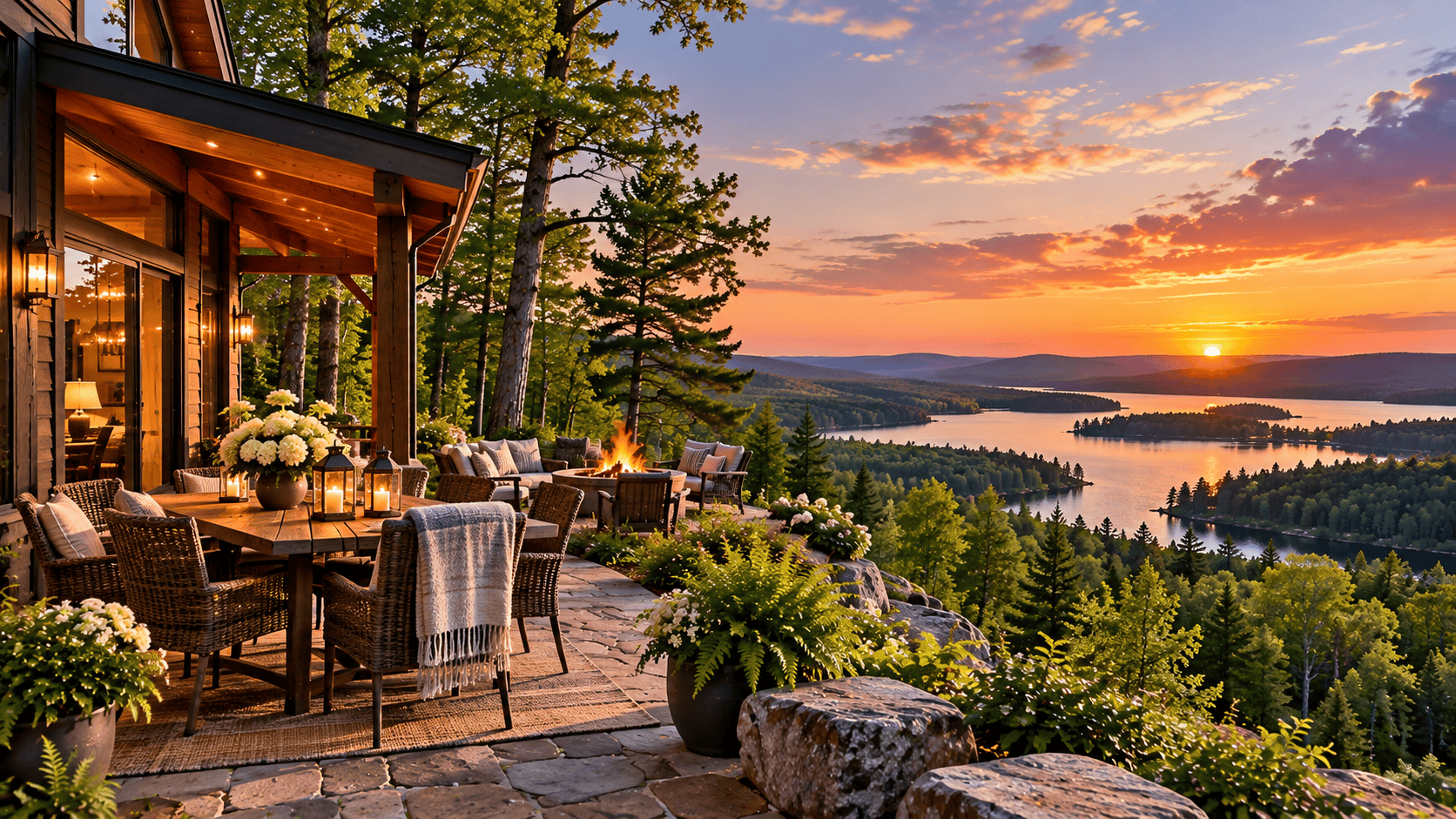
What if a family cabin became less about getting away and more about finding your way back to one another? The emotional benefits of owning a family cabin can take shape in quiet, familiar moments: shared meals, unhurried conversations, and traditions that return with every visit. But a property won’t create closeness on its own, and the upkeep can become another responsibility if it doesn’t fit your family’s life.
It’s natural to wonder whether a retreat will bring different generations together or simply sit waiting for the next trip. The answer depends in part on how your family hopes to use it, who will share it, and what kind of setting feels welcoming rather than demanding.
This article explores how a Northern Michigan cabin might nurture connection, belonging, and meaningful rituals, without promising that every family will experience ownership the same way. You’ll consider the everyday moments a retreat could make possible, along with practical questions about care, shared use, and location. From Charlevoix and Emmet counties, the right fit begins with understanding your family’s rhythms and the landscape you want to return to.
Key Takeaways
- The emotional benefits of owning a family cabin may grow from shared routines and familiar moments, but ownership alone can’t guarantee a closer family.
- Discuss who hopes to use the retreat, how visits might work across generations, and how responsibilities will be shared.
- Clarify your family’s priorities before comparing settings in Charlevoix, Emmet, and Grand Traverse counties.
- Begin your property search with the kind of shared life you want the cabin to support, not just a list of features.
Table of Contents
- What a Family Cabin in Northern Michigan Can Mean Beyond the Property
- How a Northern Michigan Cabin Can Turn Time Together into Family Traditions
- The Emotional Benefits, and Family Realities, of Cabin Ownership
- How to Decide Whether a Northern Michigan Family Cabin Fits Your Life
- Find a Northern Michigan Property That Can Become Your Family’s Retreat
What a Family Cabin in Northern Michigan Can Mean Beyond the Property
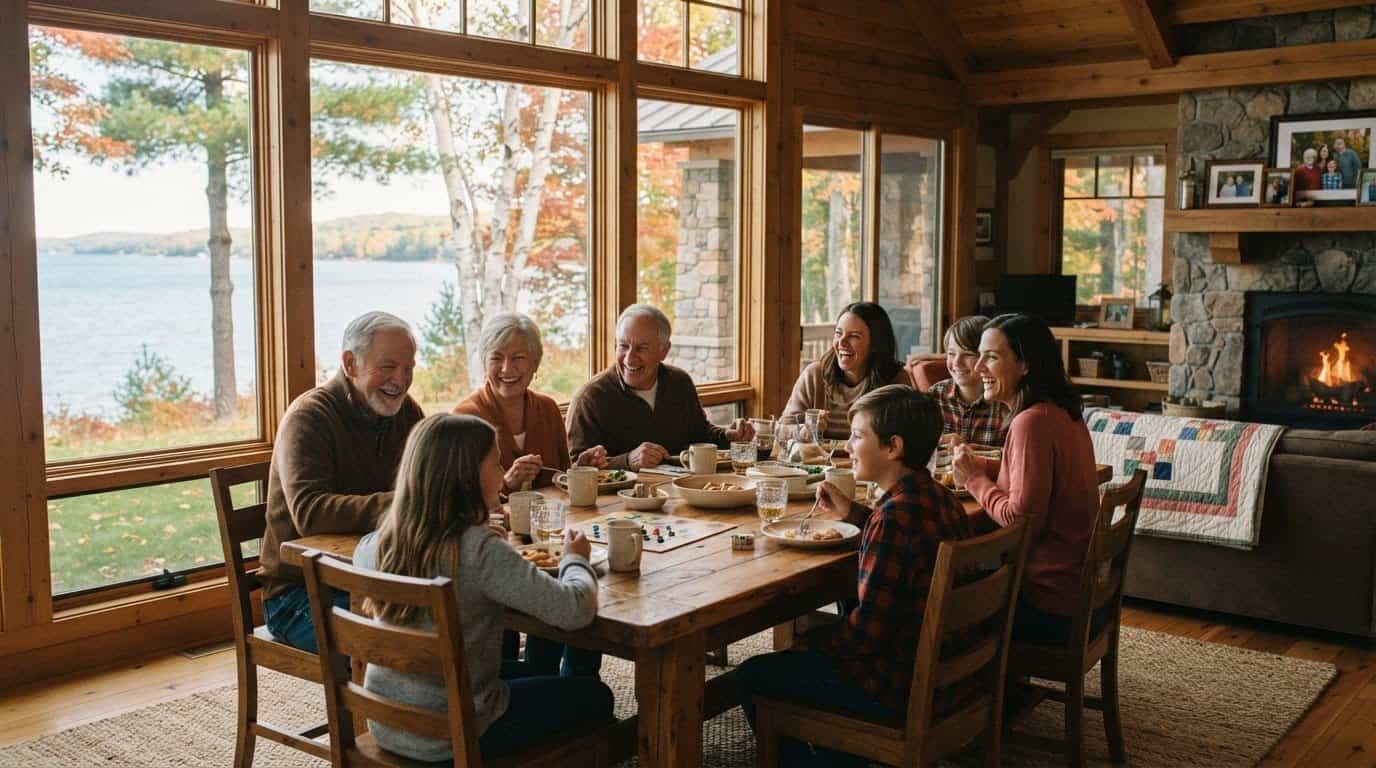
There’s a particular comfort in having a familiar place to return to together. A family cabin can be more than a second home: it can be a setting where shared experiences gather meaning over time. A meal at the same table, an easy conversation, or simply being in one another’s company may become part of what family members look forward to.
That possibility is appealing, but it isn’t automatic. The emotional benefits of owning a family cabin depend on what your family needs, what each person expects, and how you actually use the property. In Northern Michigan, those questions can guide a thoughtful search across Charlevoix, Emmett, and Grand Traverse counties, where the setting you choose will shape the kind of retreat you can create.
Why the idea of a family retreat resonates
A cabin offers the possibility of stepping outside familiar routines for a while, without promising that a change of setting will resolve stress or bring everyone closer. Its appeal may be simpler: a shared point of return, set apart from the patterns of everyday life. Family members might gather for a meal, catch up in the evening, or enjoy quiet time in the same space without needing to plan a special occasion.
Over repeated visits, ordinary moments can become part of a family’s shared story. The idea of family traditions reflects how customs can be passed between generations and help express a family’s values. At a cabin, those customs might be as modest as making breakfast together or choosing time to talk. They’re possibilities, not obligations.
A cabin’s meaning depends on the family
A family cabin isn’t defined by a particular architectural style, setting, or property type. One generation may value a peaceful place to read; another may hope for recreation or lively time together. Those preferences can coexist, but it helps to discuss them rather than assume everyone imagines the same retreat.
The emotional value of a family cabin is personal in what each person finds there, shared in the moments held together, and shaped over time by how the family returns to it.
That distinction matters when you begin considering a property. Rather than asking only whether a cabin looks inviting, consider whether its location and use could make room for the ways your family wants to spend time together, as well as the quiet or independence individual members may need.
How a Northern Michigan Cabin Can Turn Time Together into Family Traditions
A tradition doesn’t need a special occasion to become meaningful. It may begin with a familiar meal, a regular moment to catch up, or the simple pleasure of returning to a place the family knows. With repeated visits, these small rituals can give time together a shape and a sense of continuity. They may emerge naturally, or the family may choose to create them; neither outcome is guaranteed by owning a property.
Small rituals that can make a place feel like yours
Think about what your household would genuinely enjoy repeating. Perhaps everyone gathers around the table for one meal, pauses to take in a favorite view, or sets aside time for an annual family gathering. A ritual can be quiet or lively, planned or informal. Its value comes less from how elaborate it is than from whether it feels meaningful to the people who share it.
“A family tradition is a shared routine that gains meaning each time a family returns to it.” Let that idea guide your expectations: routines can change as children grow, relatives’ schedules shift, or family needs evolve. A cabin should leave room for traditions to develop, rather than making every visit feel like a performance of what family time is supposed to be.
Belonging across generations
The same familiar place may mean something different to each generation. Children might remember a favorite room or a game; parents may value time to reconnect; grandparents may enjoy retelling stories tied to earlier visits. These are possibilities, not promises. Ask what would help each person feel welcome, including opportunities for shared time as well as room for different preferences and rhythms.
Location can influence those rhythms, too. Charlevoix, Emmett, and Grand Traverse counties aren’t interchangeable backdrops; each offers a different set of communities and property settings to consider. Rather than assume one county will suit every family, talk about what makes a visit practical and appealing for your particular group: how the household wants to spend its time, who is likely to come, and which setting feels comfortable to return to. The right fit is personal.
Before browsing, invite each generation to name one thing that would make a cabin feel like a place of their own. You may hear different answers. That conversation can reveal whether the family is seeking a shared ritual, a welcoming gathering place, quiet retreat time, or some balance of all three. It can also help turn an abstract dream into useful priorities for a lifestyle-led property search. Explore Northern Michigan homes by lifestyle as one way to consider what kind of setting could support the family’s hopes.
The Emotional Benefits, and Family Realities, of Cabin Ownership
A family cabin can offer a familiar setting for shared time, but the experience also involves choices, coordination, and ongoing care. The emotional benefits of owning a family cabin are possibilities, not guarantees: a property doesn’t resolve differing expectations or create closeness by itself. A thoughtful conversation before buying can help your family picture both the retreat you hope for and the responsibilities that come with it.
When family members want different things
Start by asking what each person hopes a visit will feel like. Does one person imagine lively gatherings while another wants quiet and privacy? How often do relatives expect to visit, and which activities or routines matter to them? Differences aren’t a reason to dismiss the idea. They’re useful information for deciding whether expectations can fit together.
It may help to talk through ordinary scenarios: how visits would be coordinated, whether everyone expects to gather for meals, and how much unplanned time each person wants. Don’t assume that shared ownership means everyone will use the cabin in the same way. Naming preferences early can make it easier to discuss boundaries and find a rhythm that feels fair.
Making room for responsibility as well as escape
A retreat still needs care. Owners may need to coordinate visits, keep track of upkeep, and communicate about tasks. Before pursuing a property, discuss who will take responsibility for what, how decisions will be shared, and how the family will handle tasks when the usual person isn’t available. The purpose isn’t to make every detail rigid; it’s to avoid leaving important expectations unspoken.
“A cabin’s emotional value depends partly on the expectations its owners share.” That includes honest acknowledgment that some visits may involve practical work, and that family members may have different ideas of what makes time at the cabin worthwhile.
For families considering a retreat in Charlevoix, Emmet, or Grand Traverse County, these conversations can also clarify which setting suits the way relatives expect to visit. A lifestyle-led search can begin with the family’s priorities, then consider property options that align with them. Explore Northern Michigan homes by lifestyle as you turn those preferences into search criteria.
How to Decide Whether a Northern Michigan Family Cabin Fits Your Life
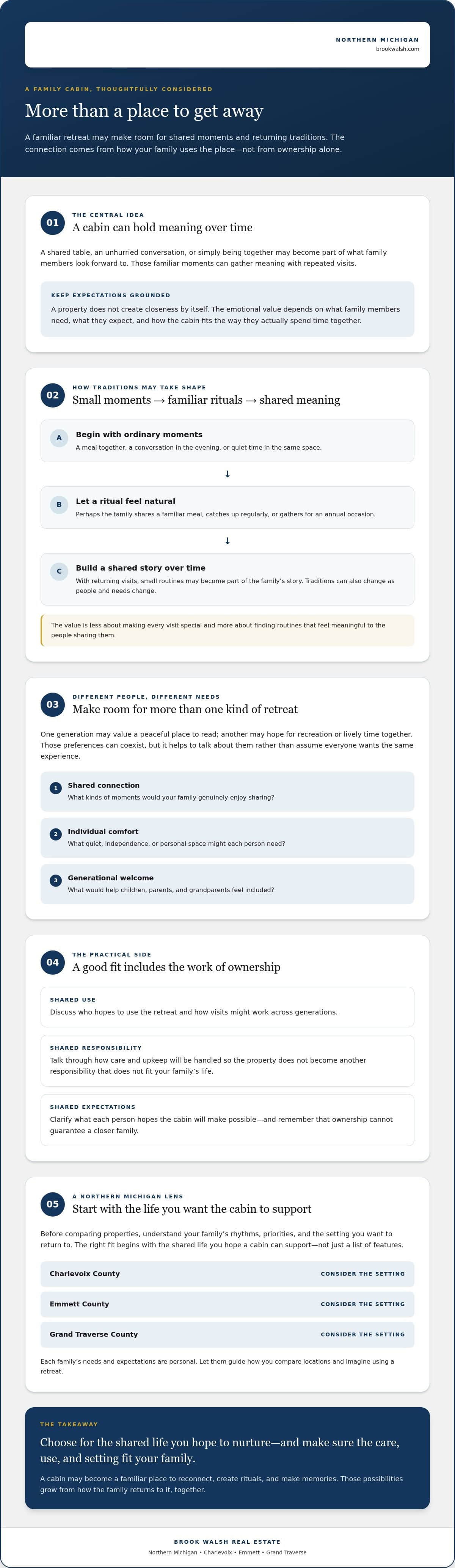
Before browsing listings, picture the life you want a cabin to support. A clear family vision can help you distinguish a property that suits your routines from one that simply looks appealing. It also gives you a more grounded way to consider the emotional benefits of owning a family cabin, alongside the practical realities of shared use and care.
Start with the family’s shared vision
Begin with a conversation about an ordinary visit, not an idealized holiday. Who is likely to come, and how often? Would family members want to spend most of their time together, or have the option to enjoy privacy? Talk about travel routines, gathering space, and whether needs might change as children grow or relatives’ circumstances evolve.
Then sort your preferences into essentials and appealing extras. A written list can keep the search focused:
- Essential: The location and general setting your family needs to make visits workable.
- Important: Features that support the way you expect to gather, relax, or spend time independently.
- Optional: Details that would be enjoyable but aren’t necessary for the cabin to serve its purpose.
Ask each person to contribute. The goal isn’t to make every preference identical, but to understand where your priorities align and where you’ll need flexibility.
Match the setting to the way you want to live
Once you have a shared vision, compare the kinds of settings you want to explore in Charlevoix, Emmet, and Grand Traverse counties. Rather than assuming one county or community will suit your family, consider what matters most: the rhythm of visits, the setting you’re drawn to, and the places family members expect to travel from. A local real estate professional can help you discuss property fit and ownership questions in the context of your priorities.
If being near the water is central to your vision, review Northern Michigan waterfront homes as one part of your search. Waterfront living may be relevant for some families, but it isn’t a requirement for a meaningful retreat.
Brook Walsh Real Estate helps buyers approach Northern Michigan property searches through their lifestyle priorities. Use the family’s shared vision to explore homes by lifestyle, then discuss how location and ownership considerations align with the way you hope to use a cabin.
Find a Northern Michigan Property That Can Become Your Family’s Retreat
A cabin’s meaning comes from the life a family creates there, not from the property alone. Shared meals, familiar rituals, and a sense of belonging may develop over time, but they aren’t guaranteed by a purchase. The emotional benefits of owning a family cabin are more likely to feel attainable when your family’s hopes for the retreat are balanced with an honest understanding of shared use and responsibility.
Turn your family’s priorities into a property search
Before exploring listings, translate your conversations into a short set of priorities. Consider who expects to visit, what a typical stay should feel like, and which location preferences matter most. Separate essentials from features that would simply be pleasant. That distinction can help you evaluate properties with your family’s actual routines in mind, rather than being swept along by an appealing first impression.
Charlevoix, Emmet, and Grand Traverse counties each offer a range of settings to consider, but the right fit depends on your family’s own preferences and plans. Brook Walsh Real Estate serves buyers across Northern Michigan and helps shape property searches around lifestyle interests. Use its Northern Michigan lifestyle property search to explore possibilities through the lens of how you hope to live and gather.
Explore ownership with a knowledgeable local guide
A local real estate professional can help you consider whether a property’s setting and intended use align with the family’s priorities, and help you raise ownership questions as you assess potential options. Keep the conversation practical: clarify how visits will be coordinated, how family members will share responsibilities, and what support you may need to care for a vacation property.
If short-term rental use is part of your plans, ask about relevant local requirements and whether property-management support for vacation homeowners fits your ownership approach. Don’t assume rental income or outside support will resolve every cost or care concern; evaluate those considerations separately and carefully.
The search is a beginning, not a promise of how your family will feel. With a shared vision and realistic expectations, you can look for a Northern Michigan property that leaves room for connection, quiet, and traditions of your own. When you’re ready, explore Northern Michigan lifestyle properties.
Let Your Family’s Vision Guide the Next Step
A family cabin’s deepest meaning isn’t built into its walls. It takes shape through the time people choose to share there, the rituals they return to, and the care they’re willing to coordinate. The emotional benefits of owning a family cabin can be meaningful, but they aren’t guaranteed; clear expectations and a setting suited to your family’s real routines matter.
Start with the kind of retreat your family hopes to create, then use those priorities to guide a property search across Charlevoix, Emmet, and Grand Traverse counties. Brook Walsh Real Estate offers lifestyle-driven property searches across Northern Michigan, helping buyers consider homes in relation to how they want to live and gather. A thoughtful search can bring practical questions about location, use, and ownership into focus before you make a decision.
If you’re ready to explore what might fit your family’s vision, explore Northern Michigan homes by lifestyle. Your retreat can begin with a conversation, and grow into a place your family makes its own.
Frequently Asked Questions
Is owning a family cabin worth it emotionally?
It may be, if the experience your family hopes for fits the way you actually live. The emotional benefits of owning a family cabin can include a shared retreat, familiar rituals, and time to reconnect, but ownership doesn’t guarantee closer relationships. Consider how often relatives are likely to visit and whether the property’s care and coordination feel manageable. A realistic picture of both the hoped-for moments and the work involved can help you assess its value.
Can a family cabin bring different generations closer?
A cabin can give generations a place to spend time together, but closeness depends on people’s preferences, communication, and how visits are organized. Shared meals or returning to a familiar spot may create opportunities to connect, while some relatives may also want privacy or quiet. Before making a shared decision, discuss who expects to visit, what everyone wants from the experience, and how to make gatherings comfortable for different ages and needs.
What are the emotional benefits of having a place to return to every year?
A familiar place may offer continuity, a setting for shared memories, and a reason to revisit simple family rituals. The meaning develops through what relatives experience there, not through the property alone. A tradition might be a regular meal, a conversation in a favorite room, or an annual gathering. These customs can be personal and uncomplicated, and they may change as family members’ interests and circumstances evolve over time.
How can a family avoid disagreements about using a shared cabin?
Talk through expectations before ownership, including schedules, privacy, guests, care responsibilities, and what each person hopes to gain from visits. For example, clarify whether relatives prefer planned gatherings or flexible stays, and how everyone will communicate about use. No single arrangement suits every family. Revisit these conversations as needs change, so an earlier understanding can be adjusted rather than becoming a source of frustration.
Where should I look for a family cabin in Northern Michigan?
The right location depends on your preferred setting, travel patterns, and intended use. Charlevoix, Emmet, and Grand Traverse counties are areas to explore, but their communities and individual properties shouldn’t be treated as interchangeable. Consider the specific location and how it fits your family’s routine. Boyne City, Boyne Falls, Charlevoix, Petoskey, Harbor Springs, and East Jordan are among the Northern Michigan communities Brook Walsh Real Estate serves. A local real estate professional can help you compare options.
Can a vacation property feel like a family retreat even if we visit only occasionally?
Yes, occasional visits can still feel meaningful, though the experience depends on your family’s circumstances and expectations. A familiar setting, a planned gathering, or a small ritual can give a shorter stay a sense of continuity. Before buying, consider whether travel patterns make visits realistic and whether your family can coordinate property care between stays. Owning a vacation property doesn’t guarantee a particular emotional outcome, but it can offer a place to return to.
What should we discuss before buying a family cabin?
Discuss how the family expects to use the property, who may visit, scheduling, privacy, care responsibilities, and what each person hopes to experience. These conversations can surface different assumptions before they complicate a shared decision. Consider whether your priorities are compatible and which preferences may need flexibility. Keep the discussion focused on communication and property fit; bring financial questions to an appropriate financial professional and legal questions to a qualified legal professional.
Posted by Brook Walsh onEnjoy this blog post? Click here to subscribe for updates
Leave A Comment