
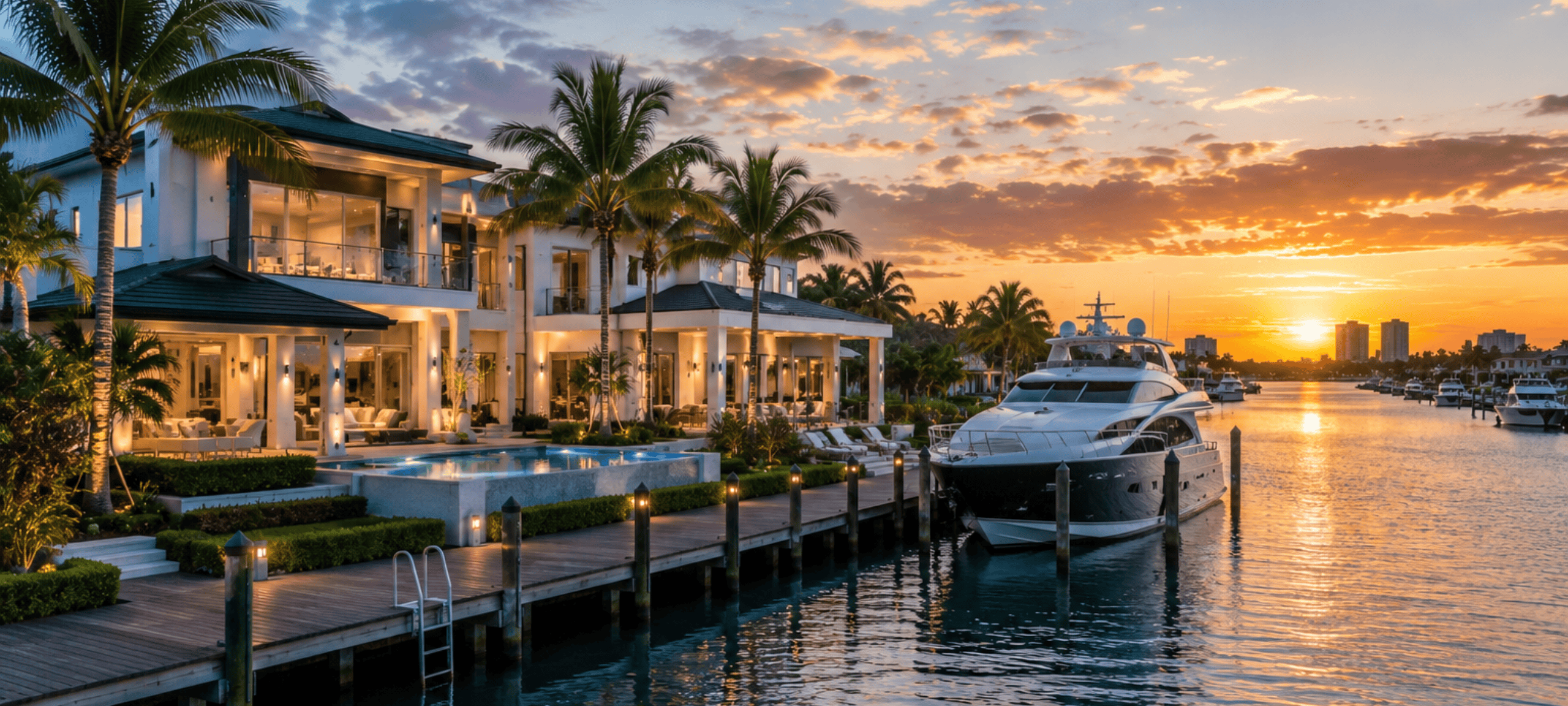
A true deep-water dock isn't just a luxury amenity; it's a precise technical requirement that dictates whether your vessel remains a centerpiece of your lifestyle or becomes a grounded liability at low tide. While many listings claim coastal proximity, the search for authentic deep-water access homes for sale requires a sophisticated understanding of bathymetry, riparian rights, and local permitting. You likely recognize that the difference between a premier estate and a shallow-water compromise often rests on a few critical feet of draft. It's understandable to feel hesitant when evaluating the complexities of USACE regulations or the ambiguity of changing FEMA flood maps.
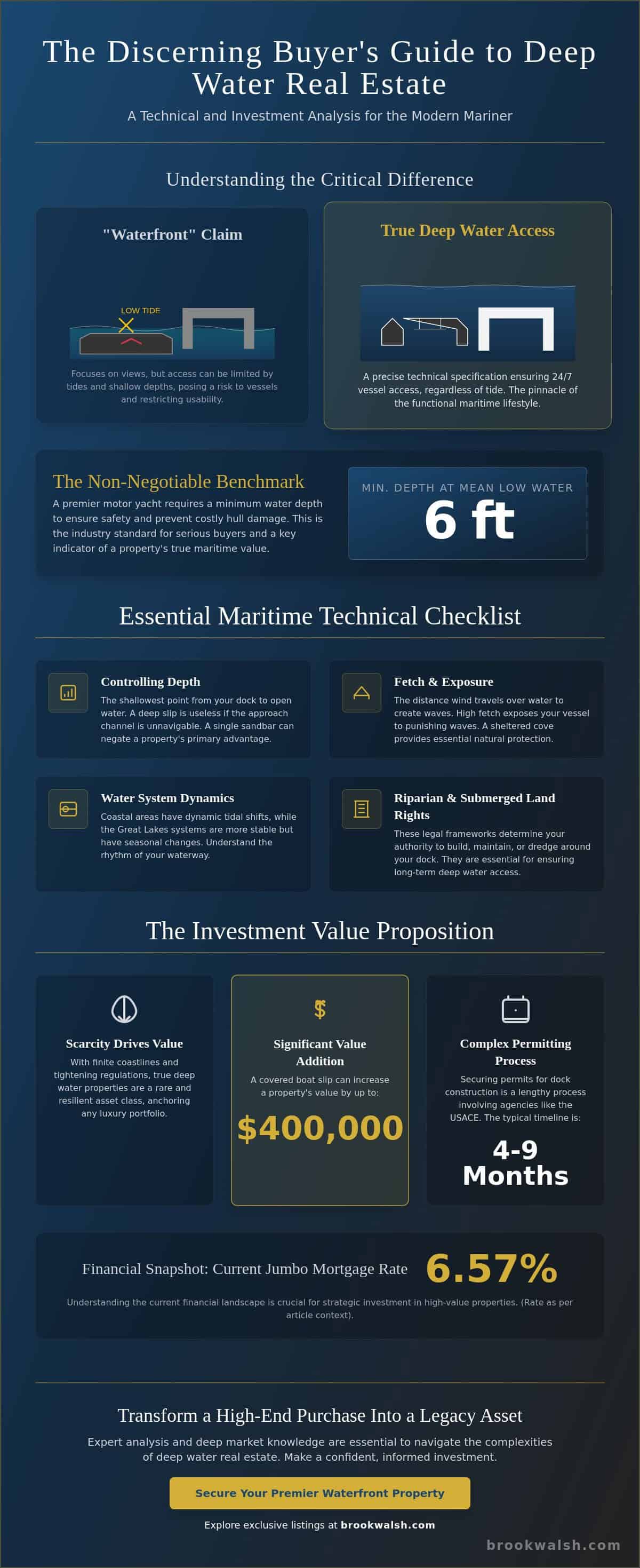
This guide provides the expert clarity you need to secure a highly appreciating lifestyle asset that aligns with your specific maritime needs. We'll examine the investment potential of turnkey properties, the impact of current 6.57% jumbo mortgage rates, and the essential dock specifications that ensure your transition to a waterfront lifestyle is both seamless and secure. From understanding how a covered boat slip can add up to $400,000 in value to managing the four to nine-month dock permitting process, we've curated the essential data to help you make a confident, informed investment.
Key Takeaways
- Learn to distinguish between marketing claims and technical maritime reality by evaluating controlling depth and fetch to protect your vessel.
- Gain clarity on the legal complexities of riparian rights and submerged land leases to ensure your ownership extends securely beyond the shoreline.
- Understand the scarcity-driven value of deep water access homes for sale and why these properties remain a resilient anchor in any luxury portfolio.
- Evaluate how no-wake status and waterway traffic density influence both the safety of your dockage and the quiet elegance of your daily life.
- Discover how professional investment property analysis can transform a high-end purchase into a legacy asset with measurable long-term returns.
Table of Contents
- Understanding Deep Water Access: More Than Just a View
- Essential Technical Maritime Considerations for Homeowners
- A Strategic Framework for Evaluating Deep Water Homes
- The Investment Value of Deep Water Real Estate
- Navigating the Luxury Waterfront Market with Brook Walsh
Understanding Deep Water Access: More Than Just a View
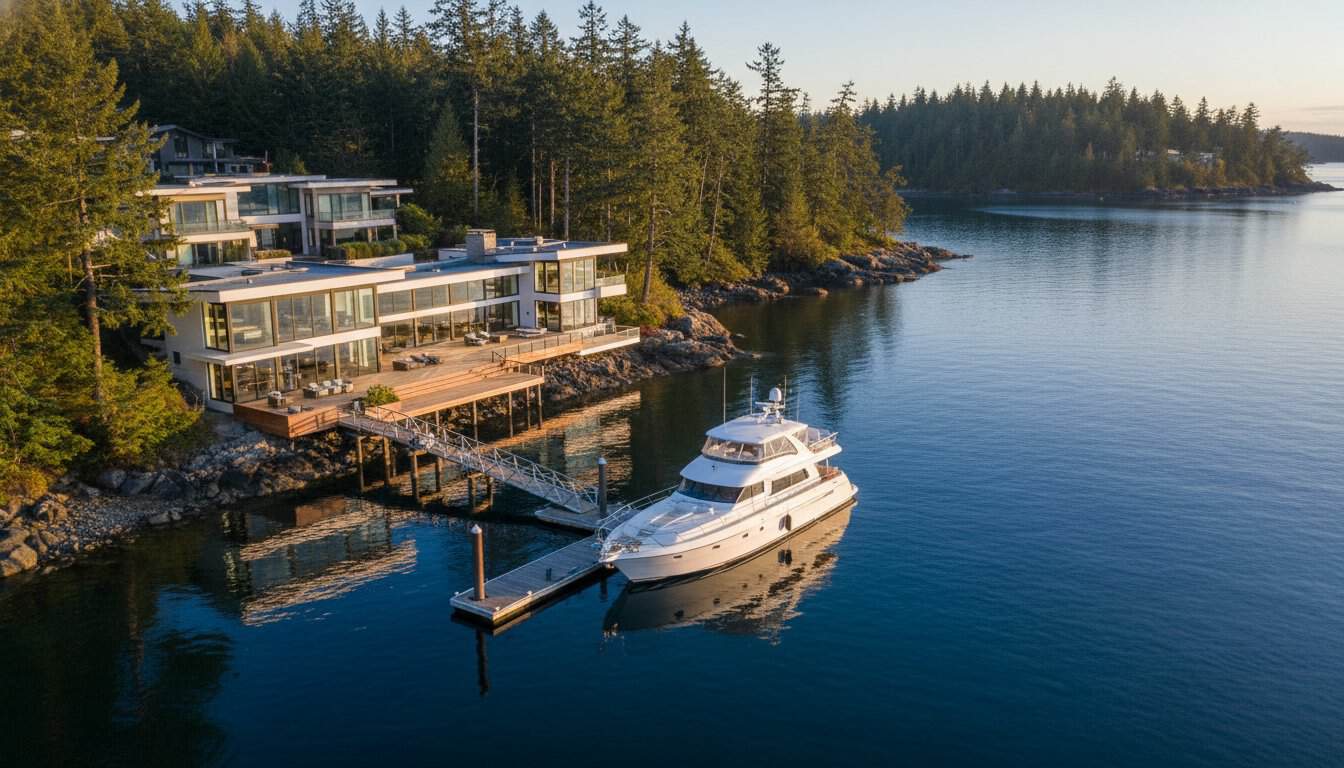
To the discerning mariner, the term "waterfront" is often too broad a brush. When exploring deep water access homes for sale, the distinction lies in the marriage of architectural elegance and technical maritime functionality. It isn't merely about the shimmering horizon visible from the terrace; it's about the draft beneath the hull. True deep water access represents the pinnacle of aquatic real estate because it removes the restrictions of the clock and the moon, allowing for spontaneous departures regardless of the tide. This freedom is the true luxury of the maritime lifestyle.
This category of property serves as a functional extension of the vessel itself. A home that lacks the necessary depth to support a significant yacht isn't just a lifestyle limitation; it's a ceiling on the property's future marketability. Understanding the nuances of the seabed and the approach channels is paramount for any serious investor looking to secure a legacy asset.
To better understand the physical reality of this lifestyle, watch this helpful video tour of a premier deep water estate:
Defining Deep Water for Modern Yachts
While a center console might thrive in four feet of water, a premier motor yacht typically demands a minimum of six feet at mean low water to ensure safety and prevent costly hull damage. This industry standard is a non-negotiable benchmark for serious buyers. However, "access" is a holistic concept. A deep dock is useless if the surrounding channel is plagued by shoaling or narrow passages. Securing a property that offers a clear, deep path to open water is essential for maintaining the vessel's integrity and the owner's peace of mind.
Tidal vs. Non-Tidal Water Considerations
The geography of the home dictates the rhythm of its usage. In coastal regions, the lunar cycle creates a dynamic environment where "deep water" can quickly turn into "skinny water" bottlenecks during extreme low tides. Conversely, in the Great Lakes or river-fed systems, water levels remain more consistent, though they are still subject to seasonal fluctuations. Understanding Riparian Rights is a critical step in this evaluation, as these legal frameworks determine your authority to maintain or dredge the area around your dock to preserve that vital depth.
The scarcity of these properties drives their enduring value. As environmental regulations tighten and suitable coastline becomes finite, homes with verified deep water frontage remain the most resilient assets in the luxury market. For those seeking a legacy property, conducting a thorough waterfront lifestyle analysis ensures that the home supports both your current fleet and your future maritime aspirations. This technical foundation is what transforms a simple residence into a true maritime estate.
Essential Technical Maritime Considerations for Homeowners
Owning a premier waterfront estate requires a shift in perspective from traditional residential metrics to maritime engineering standards. When evaluating deep water access homes for sale, the most critical technical data point is the controlling depth. This isn't just the measurement at your private slip; it's the shallowest point of the entire passage from your dock to open water. A single sandbar or submerged ledge can render a deep-water dock inaccessible to your vessel, effectively negating the property's primary advantage.
Beyond depth, the concept of fetch is vital for protecting your investment. Fetch refers to the unobstructed distance over which wind can blow across the water. A property with significant fetch exposure can subject your vessel to punishing waves during storms, even if the water is deep. Choosing a sheltered cove or a canal with limited fetch provides an essential layer of protection for your hull and dockage infrastructure. This natural protection is often more valuable than the most expensive fender systems.
Structural clearances also dictate the utility of your location. Fixed bridges with low vertical clearance can permanently bar sailing vessels or larger motor yachts from reaching your home. It's essential to consult the Coastal Zone Management Act guidelines and local nautical charts to verify that bridge heights and channel widths accommodate your current and future maritime needs. These federal and local frameworks ensure that coastal development remains sustainable and navigable for all users.
Vessel Draft and Controlling Depth
A safe maritime operation requires a consistent buffer between the boat's draft and the seabed. In 2026, a two-foot safety margin at mean low water is the recommended standard for luxury vessels. Relying on dated charts is a significant risk; siltation and natural shifts in the channel can alter depths over a single season. Commissioning a fresh bathymetric survey during your due diligence period is a hallmark of a sophisticated buyer who understands the dynamic nature of the water.
Dockage Infrastructure and Power Requirements
Modern luxury vessels are energy-intensive assets. Evaluating the existing infrastructure ensures your home can support the technical demands of your boat without requiring immediate, costly overhauls:
- Electrical Capacity: Ensure the pedestal provides 50-amp or 100-amp service as required for larger yachts.
- Piling Integrity: Inspect for marine borer damage or structural decay in older timber pilings.
- Boat Lift Capacity: Verify that lifts are rated for the full wet weight of your vessel, including fuel and gear.
Before committing to a purchase, conducting a professional investment property analysis can help you quantify the costs of any necessary maritime upgrades. This technical scrutiny ensures your home remains a high-functioning sanctuary rather than a logistical challenge.
A Strategic Framework for Evaluating Deep Water Homes
Identifying the perfect deep water access homes for sale involves more than measuring the draft at the pier. A strategic evaluation must account for the daily rhythm of the waterway. A no-wake zone isn't merely a noise preference; it's a critical safeguard for your vessel's finish and the longevity of your dock infrastructure. High-traffic channels with constant wake action can lead to accelerated wear on pilings and constant hull movement, even with the most advanced fender systems. Evaluating the ease of maneuverability for your specific vessel size is the final piece of the navigational puzzle, ensuring that docking remains a graceful conclusion to your day on the water rather than a stressful technical challenge.
The legal architecture of the property is just as vital as its physical depth. Investigating riparian rights and the status of submerged land leases ensures that your access is protected by law, not just by custom. This legal clarity is a cornerstone of the Investment Value of Waterfront Property, as it secures the long-term utility of the estate. Without these protections, future changes in zoning or environmental policy could jeopardize your ability to maintain or expand your maritime facilities. When browsing luxury lifestyle homes for sale, verifying these rights is a non-negotiable step in the due diligence process. Verify these rights early.
Navigational Constraints and Clearances
While previous discussions focused on depth, vertical clearances are equally decisive. Fixed bridges present a permanent height restriction that no amount of dredging can solve. You must identify power lines or underwater cables that might restrict passage for taller masts or antennas. A complex approach through winding channel markers requires a property that allows for ample maneuverability, particularly for vessels exceeding fifty feet in length. Understanding these constraints early prevents the frustration of owning a home that your boat simply cannot reach.
Shoreline Integrity and Environmental Regulations
The condition of bulkheads and seawalls represents a significant capital consideration for any waterfront owner. In the 2026 market, discerning buyers prioritize properties with updated erosion control measures like riprap or reinforced concrete bulkheads. Navigating the permitting process for dock expansions or dredging is increasingly complex, often taking four to nine months for approval from agencies like the U.S. Army Corps of Engineers. Understanding these environmental setbacks and regulatory hurdles is essential before finalizing an investment property analysis. This technical scrutiny protects your capital and your lifestyle.
The Investment Value of Deep Water Real Estate
The acquisition of a deep-water estate is a decision that balances sophisticated maritime utility with rigorous financial logic. While traditional residential sectors often experience cyclical shifts, deep water access homes for sale represent a uniquely resilient asset class. This stability stems from a simple, unalterable reality: the supply of true deep water frontage is finite. In high-demand luxury markets, ocean-access homes have historically outperformed standard waterfront properties. For instance, the median sale price of such homes in Fort Lauderdale saw a 17.9% increase throughout 2025. Even as the broader market shows signs of stabilization in May 2026, with growth returning to historical averages of 4% to 6% annually, the scarcity of deepwater inventory continues to command a significant premium.
Technical specifications like controlling depth and navigational clearance act as a barrier to entry that protects your capital. In 2026, with 30-year fixed jumbo mortgage interest rates averaging 6.57%, the cost of entry is notable, yet the appreciation potential remains robust. A well-maintained, covered boat slip can add between $150,000 and $400,000 to a property's appraised value. This demonstrates that maritime infrastructure is as much a financial engine as it is a leisure amenity. These properties are often the first to recover during economic transitions because their utility is tied to a specific, irreplaceable geography.
Scarcity and Market Resilience
Investors recognize that deep water frontage is a non-renewable resource. In the current 2026 market, the preference for turnkey properties has intensified. Homes that already feature updated docks, robust erosion control, and verified bathymetry are selling quickly, often with minimal price negotiation. This resilience hedges against broader market volatility by appealing to a niche segment of the population whose lifestyle requires these specific technical parameters. When inventory is low, the inherent value of the water depth remains the primary driver of the property's worth, independent of architectural trends.
Lifestyle ROI and Emotional Havens
Beyond the spreadsheets, the true return on investment is found in the profound connection between a person and their environment. A home that supports immediate, unrestricted water access functions as a private resort and a curated family legacy. It provides a sense of escape that standard luxury homes cannot match. You aren't just buying square footage; you're securing an emotional haven that evolves with your lifestyle. To find a property that perfectly mirrors your aspirations, explore luxury lifestyle homes for sale that prioritize these unique maritime advantages.
To ensure your next acquisition aligns with your long-term financial goals, we invite you to utilize our professional investment property analysis services to quantify the potential of your future maritime estate.
Navigating the Luxury Waterfront Market with Brook Walsh
Securing a premier maritime estate requires a guide who speaks the language of both the boardroom and the helm. Brook Walsh provides a specialized expertise that transcends traditional real estate services, offering a sophisticated perspective on the acquisition of deep-water access homes for sale. As a Broker and Owner with a background in information technology and business, he approaches the market with a precision that balances technical maritime requirements with rigorous financial analysis. This dual focus ensures that your property isn't just a beautiful residence, but a high-functioning asset that supports your specific vessel and long-term investment goals.
The transition to a waterfront lifestyle is a complex journey involving environmental regulations, structural inspections, and navigational due diligence. Our firm provides a comprehensive support structure that manages these details with quiet confidence. From the initial search for rare deep water frontage to the ongoing complexities of short-term rental management through Northern Michigan Escapes, we offer a seamless experience for the discerning owner. You gain access to a curated network of opportunities, including exclusive off-market listings that never reach the public eye, ensuring your portfolio remains as unique as your lifestyle.
Curated Property Searches by Lifestyle
Our digital platform is designed for the modern mariner who values efficiency and specificity. Instead of wading through generic listings, you can find your home by lifestyle, filtering properties by the technical parameters that matter most to you. Whether you require a specific controlling depth for a deep-draft motor yacht or proximity to the region's finest golf courses, our search tools align with your personal definition of luxury. We understand that a home's value is inextricably linked to its ability to facilitate the experiences you cherish most.
Expert Consulting for Waterfront Investments
The decision to acquire a luxury estate is often driven by a desire for both personal escape and capital preservation. We provide data-driven consulting for those investing in luxury real estate, offering deep insights into ROI projections and market resilience. Our investment property analysis goes beyond simple price-per-square-foot metrics; we evaluate the scarcity of deep water inventory and the revenue potential of premium vacation rentals. This strategic advice allows you to diversify your portfolio through lifestyle properties that function as essential emotional havens while maintaining their status as robust financial assets. We invite you to discover how a partnership rooted in expertise can elevate your maritime aspirations.
Securing Your Legacy on the Water
Owning a maritime estate is a commitment to a specific, elevated way of life that demands both technical precision and financial foresight. You now understand that true deep water access homes for sale are defined by more than just a dock; they require a harmony of controlling depth, protected fetch, and clear navigational paths. These properties remain the most resilient assets in the luxury market due to their finite nature and the enduring demand for unrestricted water access. By prioritizing a maritime-first approach to your acquisition, you ensure that your home remains a high-functioning sanctuary for generations to come.
Expert guidance makes the difference between a simple purchase and a strategic investment. Our lifestyle-centric search platform and data-driven investment consulting provide the clarity needed to navigate this complex landscape with ease. From initial bathymetric due diligence to comprehensive property management for your vacation home, we offer the steady hand required for such a significant transition. It's time to move beyond the ordinary and secure a property that truly supports your maritime aspirations. Your perfect harbor is waiting.
Discover your next deep water estate with Brook Walsh and begin your journey toward a life without limits on the water.
Frequently Asked Questions
What is the minimum depth required for a deep-water access home?
A depth of six feet at mean low water is the standard benchmark for a true maritime estate. While smaller center consoles might operate in shallower conditions, the premier deep water access homes for sale prioritize a draft that accommodates significant motor yachts or sailing vessels without risk. This depth ensures your boat remains safely afloat and operational regardless of the lunar cycle.
How do I verify the water depth of a property before buying?
Commissioning a recent bathymetric survey is the only reliable way to verify actual depths. Nautical charts provide a general overview, but siltation and natural shifts can alter the seabed over a single season. A professional survey provides a precise map of the controlling depth from your private slip to the main navigational channel, giving you peace of mind before closing.
Are deep-water homes more expensive to maintain than other waterfront properties?
Maintenance costs for deep water properties are generally higher because the infrastructure must support larger, more demanding vessels. Heavier pilings, advanced shore power systems, and reinforced seawalls require specialized care to withstand the forces of deeper water and potential wake action. These expenses are an essential investment in protecting both your vessel and your real estate asset.
What are riparian rights, and how do they affect my dock?
Riparian rights are the legal protections afforded to landowners whose property borders a waterway. These rights typically include the authority to build docks and access navigable channels, though they are subject to federal and state oversight. Understanding the specific limits of your rights is vital because it determines your ability to maintain or expand your maritime facilities in the future.
Can I build a dock if the property doesn't currently have one?
Constructing a new dock is often possible but requires a rigorous permitting process through the U.S. Army Corps of Engineers and local environmental agencies. This process typically takes four to nine months for approval and is subject to strict footprint regulations. You should verify the property's zoning and any existing submerged land leases before committing to a purchase intended for new dock construction.
How does the tide affect deep water access in coastal areas?
Tidal cycles dictate the window of accessibility for coastal properties by significantly altering the water level twice daily. Even a deep-water dock can be rendered unusable if the approach channel becomes too shallow at low tide. Discerning buyers look for properties that offer consistent depth throughout the entire tidal range to ensure unrestricted navigation at any hour.
What should I ask a surveyor regarding deep water access?
You should ask a surveyor to identify the controlling depth and evaluate the fetch exposure of the shoreline. It's also important to inquire about historical siltation rates to understand if future dredging might be necessary to maintain access. These technical insights help you anticipate the long-term functionality and potential maintenance requirements of the deep water access homes for sale you are considering.
Why is a deep water home considered a better investment than a shallow water home?
Scarcity is the primary driver of the superior investment value found in deep water real estate. Because there is a finite amount of coastline that naturally supports deep-draft vessels, these properties command a premium and tend to appreciate more reliably than shallow-water alternatives. They represent a secure asset class that appeals to a dedicated, high-net-worth segment of the luxury market.
Posted by Brook Walsh onEnjoy this blog post? Click here to subscribe for updates
Leave A Comment