

A lakefront estate in Northern Michigan is more than a residence; it's a living legacy that requires a sophisticated ritual of preservation to withstand the shifting moods of the Great Lakes. You've likely felt that familiar pang of anxiety when the first autumn frost settles over Charlevoix or Grand Traverse County, wondering if your sanctuary is truly prepared for the quiet, frozen months ahead. It's a common concern for those who value the purity of the regional experience but find themselves managing the complexities of shoreline environmental regulations from a distance. Our 2026 seasonal maintenance checklist for lakefront homes offers you a professional grade framework to master this balance with quiet confidence. You'll gain a clear, actionable schedule that protects your home’s structural integrity and aesthetic value against the unique challenges of our northern climate. From navigating the latest EGLE permit requirements for your dock to ensuring your septic system meets evolving standards in Emmet County, we'll guide you through every essential step to ensure your property remains a pristine emotional haven for generations to come.
Key Takeaways
- Discover how a proactive maintenance schedule safeguards the long-term market valuation of your luxury waterfront investment in Northern Michigan.
- Learn the essential five-step post-winter audit to ensure your home is perfectly prepared for the vibrant summer season on the water.
- Master a comprehensive seasonal maintenance checklist for lakefront homes that prioritizes critical October winterization protocols for secondary residences.
- Navigate the complexities of Michigan EGLE shoreline regulations and emerging septic standards to maintain both environmental and legal compliance.
- Evaluate the strategic benefits of professional property management to achieve a seamless lock and leave lifestyle while preserving your home’s aesthetic integrity.
The Unique Demands of Northern Michigan Lakefront Ownership
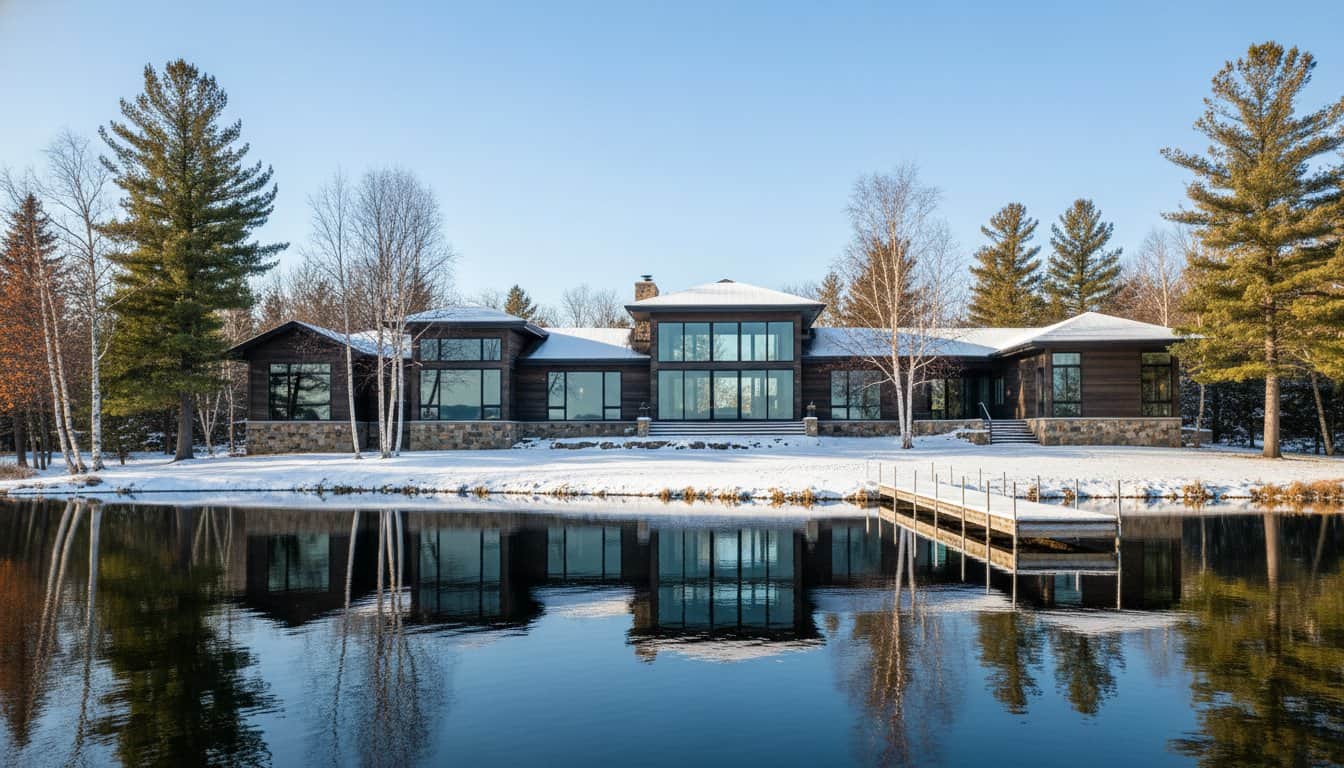
Owning a home on the crystalline shores of Lake Michigan or nestled along the tranquil reaches of Lake Charlevoix is a privilege that comes with a unique set of environmental responsibilities. Unlike traditional inland residential properties, waterfront estates in Grand Traverse or Emmet County exist in a state of constant interaction with a dynamic ecosystem. The financial imperative is clear; proactive stewardship is the primary method to protect the high-end valuations of these luxury assets. A specialized seasonal maintenance checklist for lakefront homes isn't merely a list of tasks. It's a strategic defense against the relentless elements of the North.
The distinction between the expansive, wave-battered coastlines of the Great Lakes and the ecologically sensitive inland lakes is vital for any owner to understand. Each environment presents distinct challenges, from the sheer force of wind-driven rain to the subtle, persistent pressure of lake-effect moisture that permeates even the most robust building envelopes. To better understand the foundational aspects of property care, watch this helpful video:
Environmental Stressors in Charlevoix and Emmet Counties
The microclimates of Northern Michigan demand a level of vigilance that standard homeownership rarely requires. High humidity levels combined with corrosive, moisture-laden winds can accelerate the degradation of exterior finishes and architectural hardware. Perhaps the most dramatic stressor is the phenomenon of ice heaves. During the winter freeze, expanding ice sheets can exert massive pressure on your property's edge, often buckling traditional retaining walls that weren't designed for such force. Many sophisticated owners are now turning to living shoreline techniques to mitigate this risk, using natural vegetation and strategic stone placement to absorb energy rather than resisting it. Additionally, the intense UV exposure found at the water’s edge can bleach and make brittle high-end woods and composite materials much faster than in shaded inland lots.
Maintenance as a Component of Lifestyle Preservation
True luxury is found in the absence of worry. Shifting your perspective from "chores" to "property stewardship" ensures that your home remains a sanctuary rather than a source of stress. When you follow a rigorous seasonal maintenance checklist for lakefront homes, you're building a comprehensive history of care. This documentation provides immense peace of mind when you're away from the property and serves as a powerful asset should you ever decide to explore other waterfront lifestyle homes for sale in the region. A well-maintained home doesn't just look better; it functions as a reliable emotional haven, preserving the very lifestyle that drew you to the shores of Northern Michigan in the first place.
Spring and Summer: Awakening the Lakeside Lifestyle
As the ice recedes from Little Traverse Bay and the cherry blossoms begin their delicate display in Grand Traverse County, the focus shifts from preservation to preparation. Your seasonal maintenance checklist for lakefront homes enters its most active phase during this transition. It's a time of renewal. The goal is to move seamlessly from the quiet of winter into the vibrant energy of the Michigan summer. This period requires a discerning eye to ensure the transition from a dormant state to an active sanctuary is both flawless and functional.
Spring Awakening: Post-Winter Inspections and Dock Installation
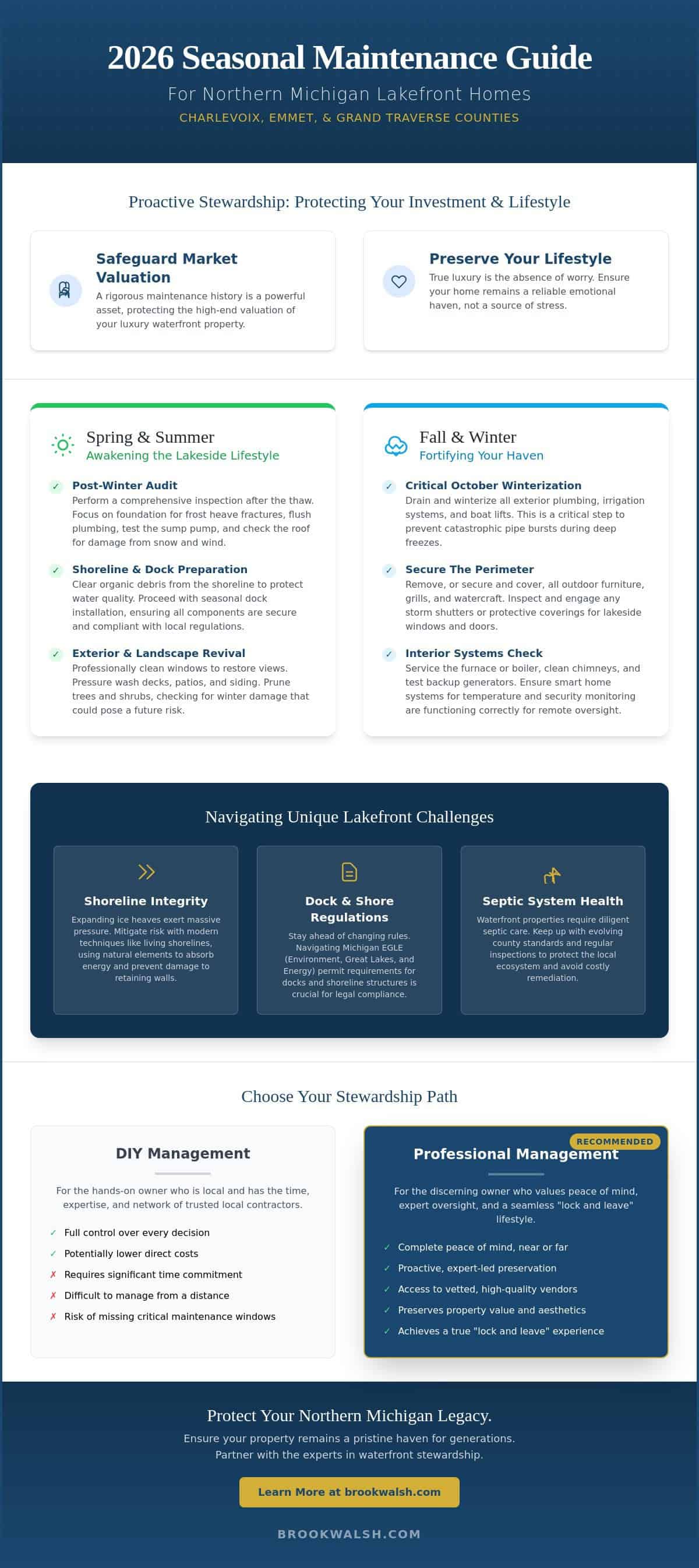
A comprehensive post-winter audit begins at the foundation. The freeze-thaw cycles of Northern Michigan are notoriously hard on masonry. Your initial inspection should focus on these critical areas:
- Examine the stone and mortar for new hairline fractures or displacement caused by frost heave.
- Flush the entire plumbing system and test the sump pump; a failing pump during the spring thaw can result in catastrophic damage.
- Inspect the roof for shingles loosened by heavy snow loads or high winds.
- Clear debris from the shoreline to prevent organic matter from decaying in the water.
- Verify the integrity of all exterior lighting and security systems.
Scheduling is critical. As noted in local market trends, marine contractors for dock and boat lift installation are often booked by February. If you haven't secured your spot on their schedule, do so immediately to ensure your waterfront is ready for the first warm weekend in Charlevoix.
Summer Fortification: Shoreline Integrity and Exterior Care
Summer in Northern Michigan is a season of high usage and intense natural beauty. To maintain the aesthetic integrity of your estate, start with a professional power wash of siding and decks. This removes the accumulated winter grime and prevents mold growth fueled by lake humidity. Inspect window seals and door weatherstripping; efficient climate control is essential when the July heat arrives. This seasonal maintenance checklist for lakefront homes ensures no detail is overlooked before the peak season begins.
It's also the ideal time to evaluate your shoreline's health. Participating in the Michigan Shoreland Steward Program provides a framework for maintaining a lake-friendly landscape that prevents erosion while enhancing your property's natural appeal. For those who view their property as an investment in Northern Michigan real estate, these details are the difference between a standard property and a premier luxury destination. Ensure your landscaping has fully recovered from the weight of winter snow to set an evocative tone for every summer guest.
Fall and Winter: Fortifying Your Haven Against the Freeze
As the golden hues of October settle over the rolling hills of Grand Traverse County, the atmosphere in Northern Michigan shifts from the exuberant play of summer to a period of strategic fortification. For the discerning homeowner, October is the most critical window in the entire seasonal maintenance checklist for lakefront homes. It is the final opportunity to secure the building envelope and shoreline before the first hard freeze transforms the landscape. Failing to respect this timeline can lead to the very catastrophic pipe bursts and structural compromises that every secondary homeowner fears.
The transition into winter requires more than just locking the doors; it demands a comprehensive mechanical and structural shutdown. Following a professional resource like this University Extension Home Maintenance Checklist can provide a foundational layer of security, but Northern Michigan's unique lake-effect snow cycles require additional, localized expertise. In our region, the sheer volume of moisture and the intensity of the "Up North" freeze-thaw cycle can find even the smallest vulnerability in a luxury estate.
The Autumn Transition: Winterization and Dock Removal
Timing is everything when coordinating the removal of docks and boat lifts. In Charlevoix and Emmet counties, waiting until November is often a gamble. Professional marine contractors should be scheduled to pull all water-bound structures before the first ice shelf begins to form, as shifting ice can crush high-end aluminum and wood docks with ease. Beyond the water's edge, your exterior irrigation systems and outdoor kitchens must be professionally blown out. Any residual water in these lines will expand during a sub-zero January night, leading to costly repairs in the spring. This is also the time to ensure your HVAC system is serviced; a furnace failure in a vacant home during a blizzard is a recipe for disaster.
Winter Vigilance: Pipe Protection and Snow Load Management
For those who utilize their properties as resort lifestyle homes or luxury vacation rentals, winter vigilance is a high-stakes endeavor. We recommend a "lock and leave" strategy that includes redundant remote monitoring systems. Smart thermostats should be set to a minimum of 55 degrees, and water sensors should be placed near every major appliance. These systems offer peace of mind when you're miles away from the lakeshore.
Snow load management is another critical factor often overlooked by those unfamiliar with the region's climate. High-accumulation areas near the lake can see several feet of snow rest on roof peaks and decks in a single week. This weight can stress architectural details and contribute to ice damming if attic ventilation isn't clear. Contracting a reliable snow removal service for both your driveway and, crucially, your roof peaks ensures that the structural integrity of your home remains uncompromised through the deepest winter months. This level of care ensures your property remains a pristine emotional haven, ready for your return when the first signs of spring appear.
Specialized Systems: Shorelines, Docks, and Septic Health
A seasonal maintenance checklist for lakefront homes is incomplete without a deep dive into the infrastructure that remains hidden beneath the soil or submerged beneath the waves. In Northern Michigan, the land-water interface is a highly regulated environment where structural integrity meets environmental stewardship. Managing these specialized systems requires a blend of technical knowledge and an understanding of the delicate ecosystems of Grand Traverse and Charlevoix counties. Protecting your investment means looking beyond the architectural details and focusing on the rural infrastructure that supports your lakeside lifestyle.
Shoreline Stewardship and Regulatory Compliance
The Michigan Department of Environment, Great Lakes, and Energy (EGLE) maintains strict oversight of any work conducted near the water. As of May 2026, the March 2019 fee schedule remains the current standard for permit applications. Minor projects, such as new permanent docks that meet specific criteria, typically carry a $100 fee, while general permit categories are $50. If you're planning a major project, such as a seawall exceeding 500 feet, fees can reach $2,000. It's essential to plan; permit timelines range from 30 to 60 days for minor projects, while individual permits for more complex work can take 120 days or longer.
Modern shoreline management has shifted toward bioengineering and naturalized solutions. EGLE increasingly prioritizes these "soft" techniques over traditional hard seawalls to better manage erosion while preserving water quality. Regularly inspect your shoreline for signs of failure, such as soil subsidence behind bulkheads or unexpected sediment plumes in the water. Early detection can prevent the need for massive restorative work that requires extensive permitting and higher costs.
Managing Well and Septic Systems in Waterfront Settings
Michigan remains the only state without a uniform statewide sanitary code, though Senate Bill 771 was introduced in January 2026 to address this gap. Currently, regulations are a patchwork of county-level rules. In the Northern Lower Peninsula, septic tank pumping for a standard 1,000-gallon tank typically ranges from $350 to $550. If you're buying or selling, be aware that while there's no statewide mandate, 11 of Michigan's 83 counties require "Time of Transfer" inspections, which generally cost between $300 and $600. These inspections are vital, as environmental groups estimate nearly 300,000 systems across the state may be failing.
- Schedule pumping every three to five years, or more frequently if the property serves as a high-occupancy vacation rental.
- Test your private well water annually for nitrates and bacteria, especially in areas with high-density septic use.
- Mark your drain field clearly to prevent heavy equipment or guest vehicles from compacting the soil, which can lead to system failure.
- Ensure your seasonal maintenance checklist for lakefront homes includes a visual check of the drain field for lush, over-saturated grass or standing water.
If you're considering the acquisition of a new legacy property, our investment property analysis can help you navigate these specialized requirements during the due diligence phase. Understanding the health of these systems today ensures the longevity of your waterfront sanctuary for the future.
Strategic Property Management: DIY vs. Professional Stewardship
The final decision for any waterfront estate owner in Grand Traverse or Emmet County is whether to embrace the role of the hands-on caretaker or the strategic steward. You've likely realized that a lakefront home is a living entity that responds to the care it receives. While some find satisfaction in the rhythmic labor of property care, the modern luxury homeowner increasingly favors a lock-and-leave philosophy. This approach prioritizes freedom and peace of mind, ensuring that your Northern Michigan sanctuary remains a place of rejuvenation rather than a source of logistical burden. Implementing a seasonal maintenance checklist for lakefront homes is a significant undertaking; doing so with professional oversight transforms a list of chores into a sophisticated asset management strategy.
The Benefits of a Professional Maintenance Strategy
The return on investment for professional stewardship is found in the preservation of both capital and time. It's about more than just aesthetics. Rigorous preventative care reduces long-term repair costs by identifying vulnerabilities before they become catastrophic failures. For those utilizing their property as a short-term rental, professional management elevates the guest experience, leading to the impeccable reviews that define a premier destination. You can explore deeper insights on these management models by reviewing our guide on investing in Northern Michigan real estate. A well-managed property doesn't just survive the winter; it thrives, maintaining a state of perpetual readiness for your next arrival.
Preserving Your Legacy with Brook Walsh Real Estate
At Brook Walsh Real Estate, we understand that a lakefront home is an emotional haven and a significant financial legacy. Our deep-rooted expertise in the regional market allows us to bridge the gap between high-level investment goals and the granular details of property oversight. We've cultivated a network of trusted local contractors who understand the specific architectural demands of the North. This level of meticulous maintenance directly correlates to future resale value, positioning your home as a standout offering in a competitive market. Whether you're looking for short-term rental management or comprehensive investment property analysis, we invite you to consult with us to refine your property's trajectory. Let us help you master the seasonal maintenance checklist for lakefront homes so you can focus on the lifestyle that makes Northern Michigan so coveted.
Securing the Future of Your Waterfront Legacy
The rhythmic transition of the seasons in Northern Michigan offers a profound beauty that requires equally rhythmic care. Mastering a seasonal maintenance checklist for lakefront homes is the definitive way to honor the investment you've made in this storied landscape. By prioritizing structural fortification before the winter freeze and ensuring environmental compliance during the summer thaw, you preserve the sanctuary that your family calls home. This proactive approach doesn't just protect your property's aesthetic purity; it safeguards its long-term market valuation within the exclusive communities of Charlevoix, Emmet, and Grand Traverse counties.
At Brook Walsh Real Estate, we provide more than just transactional guidance. Our team offers data-driven investment consulting for lifestyle properties and comprehensive property management for high-end vacation rentals, ensuring your estate remains a pristine emotional haven. Whether you're seeking a new retreat or looking to optimize your current holdings, our local expertise provides the steady hand you deserve. We invite you to explore our Luxury Waterfront Lifestyle Collection and discover the next chapter of your lakeside experience. Your legacy on the water is waiting to be written.
Frequently Asked Questions
When is the best time to remove a dock in Northern Michigan?
Late October is the ideal window for dock removal in Charlevoix and Emmet counties. While some owners wait until early November, the unpredictable nature of the Great Lakes means the first significant ice shelves can form quickly. Removing structures before this shift prevents the crushing force of moving ice from damaging your expensive marine hardware.
How do I prevent ice dams on my lakefront home during winter?
Preventing ice dams requires maintaining a cold roof through effective attic ventilation and robust insulation. When heat escapes into the attic, it melts snow on the roof, which then refreezes at the eaves to create a dam. Ensuring your soffit and ridge vents are unobstructed is a critical step in your seasonal maintenance checklist for lakefront homes.
What are the EGLE requirements for shoreline maintenance in Michigan?
Most shoreline projects in Grand Traverse County require a permit from the Michigan Department of Environment, Great Lakes, and Energy. As of May 2026, minor projects typically carry a 100 dollar fee, while major seawall installations can cost up to 2,000 dollars. The agency currently prioritizes bioengineering and naturalized solutions over traditional hard structures to protect local water quality.
How often should I have my septic system inspected at a vacation home?
You should have your septic system pumped and inspected every three to five years, depending on your property's occupancy levels. With Senate Bill 771 introduced in January 2026, aiming to standardize codes, staying ahead of maintenance is essential. In Northern Michigan, a standard 1,000-gallon tank pumping generally costs between 350 and 550 dollars.
Can I winterize my lakefront home myself, or should I hire a professional?
While some tasks are manageable for a dedicated owner, hiring a professional for mechanical winterization is highly recommended for luxury estates. The precision required to blow out plumbing lines and service high-efficiency HVAC systems is substantial. A single missed pipe can lead to catastrophic water damage while you are away from the property.
What is the most common cause of property damage in Northern Michigan waterfront homes?
Water damage from burst pipes or failed sump pumps is the most frequent cause of significant property loss in our region. The extreme temperature fluctuations of the North can stress building materials and mechanical systems beyond their limits. Integrating remote monitoring into your seasonal maintenance checklist for lakefront homes provides an essential layer of defense against these silent threats.
How does professional property management impact my rental income?
Professional management increases rental income by ensuring your home remains in peak condition and achieves premium market rates. Expert oversight handles the logistical complexities of high turnover while maintaining the property’s aesthetic integrity. This allows you to treat your waterfront estate as a high-performing asset rather than a secondary job.
What temperature should I keep my vacation home at during the winter months?
Maintain a minimum interior temperature of 55 degrees Fahrenheit throughout the winter months. This setting provides enough warmth to prevent pipes within exterior walls from reaching the freezing point during sub-zero nights. Using a smart thermostat allows for remote verification, ensuring your home remains a safe and secure emotional haven until your return.
Posted by Brook Walsh onEnjoy this blog post? Click here to subscribe for updates
Leave A Comment